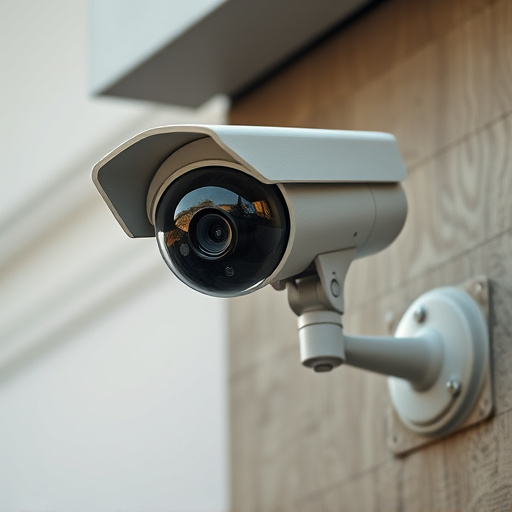
Strategically placing dummy security cameras at recommended heights (10-12 feet outdoors, 8-10 feet indoors) acts as a deterrent and enhances overall security by aligning with intruders' line of sight. Ideal camera height ranges from 10-15 feet, adjustable based on location and environment. Discretion is key; blend cameras naturally with surroundings using realistic textures, materials, and details to minimize visibility. Follow Dummy Security Camera Height Guidelines for effective surveillance without attracting attention.
In today’s security landscape, realistic security camera shells are becoming indispensable tools for enhancing surveillance effectiveness. This comprehensive guide delves into the art of dummy camera placement, exploring optimal visibility and Dummy Security Camera Height Guidelines. We dissect critical design considerations for discrete yet powerful surveillance, offering best practices for seamlessly integrating these innovative solutions into existing systems. Maximize your security strategy with these practical insights.
- Understanding Dummy Camera Placement for Optimum Visibility
- Factors Influencing Ideal Height for Security Cameras
- Design Considerations for Discreet and Effective Surveillance
- Best Practices for Integrating Realistic Shells into Existing Systems
Understanding Dummy Camera Placement for Optimum Visibility
Placing dummy security cameras strategically is key to achieving optimum visibility and enhancing overall security. These fake cameras mimic real surveillance equipment, acting as a powerful deterrent for potential intruders. The ideal height for dummy camera placement varies based on location but generally aligns with the average line of sight.
Following Dummy Security Camera Height Guidelines can maximize their effectiveness. For outdoor areas, positioning them at approximately 10-12 feet (3-3.6 meters) above ground level is recommended, mimicking real cameras mounted on poles or walls. Indoor spaces may require slightly different heights, but generally, placing dummy cameras around 8-10 feet (2.4-3 meters) off the floor offers a realistic and visible line of sight for potential intruders.
Factors Influencing Ideal Height for Security Cameras
The ideal height for a security camera placement is a multifaceted consideration, influenced by various environmental and operational factors. One key guideline to remember is that cameras should be positioned high enough to capture clear, unobstructed views—typically between 10-15 feet (3-4.5 meters) above the ground. This elevation offers several advantages, including reduced visibility for potential intruders and a broader field of view.
However, the optimal height can vary based on specific locations. For instance, in urban settings with tall buildings or trees, the camera might need to be positioned higher, while in open countryside, a lower angle could prove more effective. Additionally, the type of area being monitored—residential, commercial, or industrial—can also dictate the desired camera height for optimal coverage and clarity.
Design Considerations for Discreet and Effective Surveillance
In designing a dummy security camera, discretion is key for effective surveillance. The shell should blend seamlessly into its environment, avoiding attention while maintaining optimal visual coverage. Consider factors like dummy security camera height guidelines—positioning cameras at natural eye levels reduces their visibility. Textures and materials that mimic existing structures or plants can further enhance camouflage. Additionally, incorporating realistic details like cables and lenses adds authenticity, making the fake camera less noticeable yet highly effective for monitoring purposes.
Best Practices for Integrating Realistic Shells into Existing Systems
When integrating realistic security camera shells into existing systems, several best practices should be considered to ensure effectiveness and minimal disruption. Firstly, adhere to industry standards and regulations regarding camera placement and privacy concerns. Dummy security cameras should mimic real camera locations accurately, adhering to the recommended Dummy Security Camera Height Guidelines for natural visual deception.
Secondly, choose shell designs that complement the surrounding environment without drawing unnecessary attention. Cameras in public spaces should blend seamlessly into their surroundings, whether it’s a tree, wall, or pole. Regular maintenance and regular testing of these systems are crucial to ensure they function correctly and provide reliable surveillance data.
The optimal placement of security cameras, both in terms of height and visible coverage, is key to effective surveillance. By understanding the factors that influence camera positioning, such as environment, lighting, and intended coverage area, we can maximize the effectiveness of our systems. Integrating realistic security camera shells allows for discreet monitoring while adhering to Dummy Security Camera Height Guidelines, ensuring comprehensive protection without compromising aesthetics. Best practices for integration ensure seamless system functioning and optimal performance, making these shells a game-changer in modern surveillance strategies.